17 Apr 2026
Can Human Creativity Flourish in a TikTok World? I Think It Already Is.
Can Human Creativity Flourish in a TikTok World? I Think It Already Is.
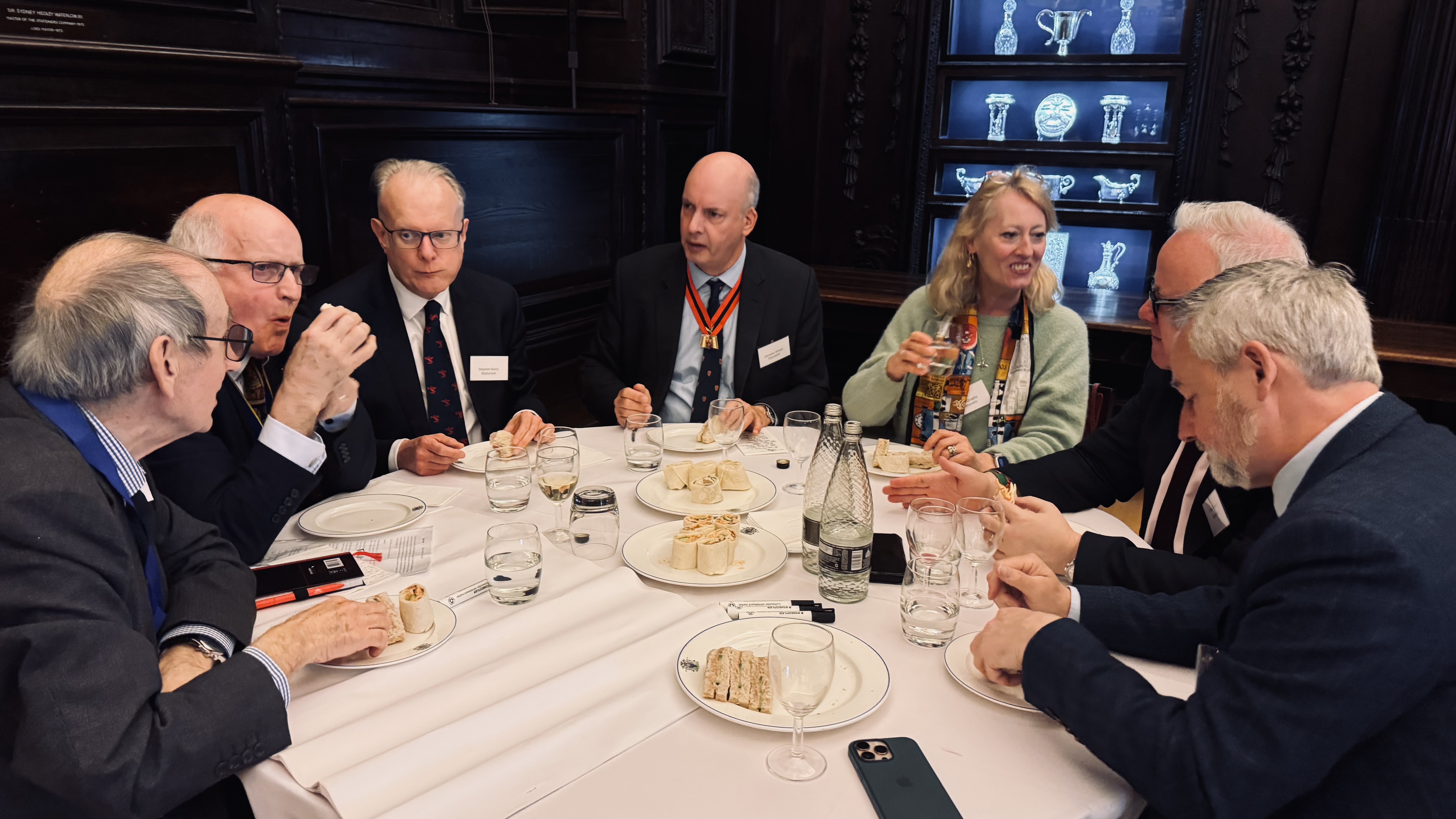
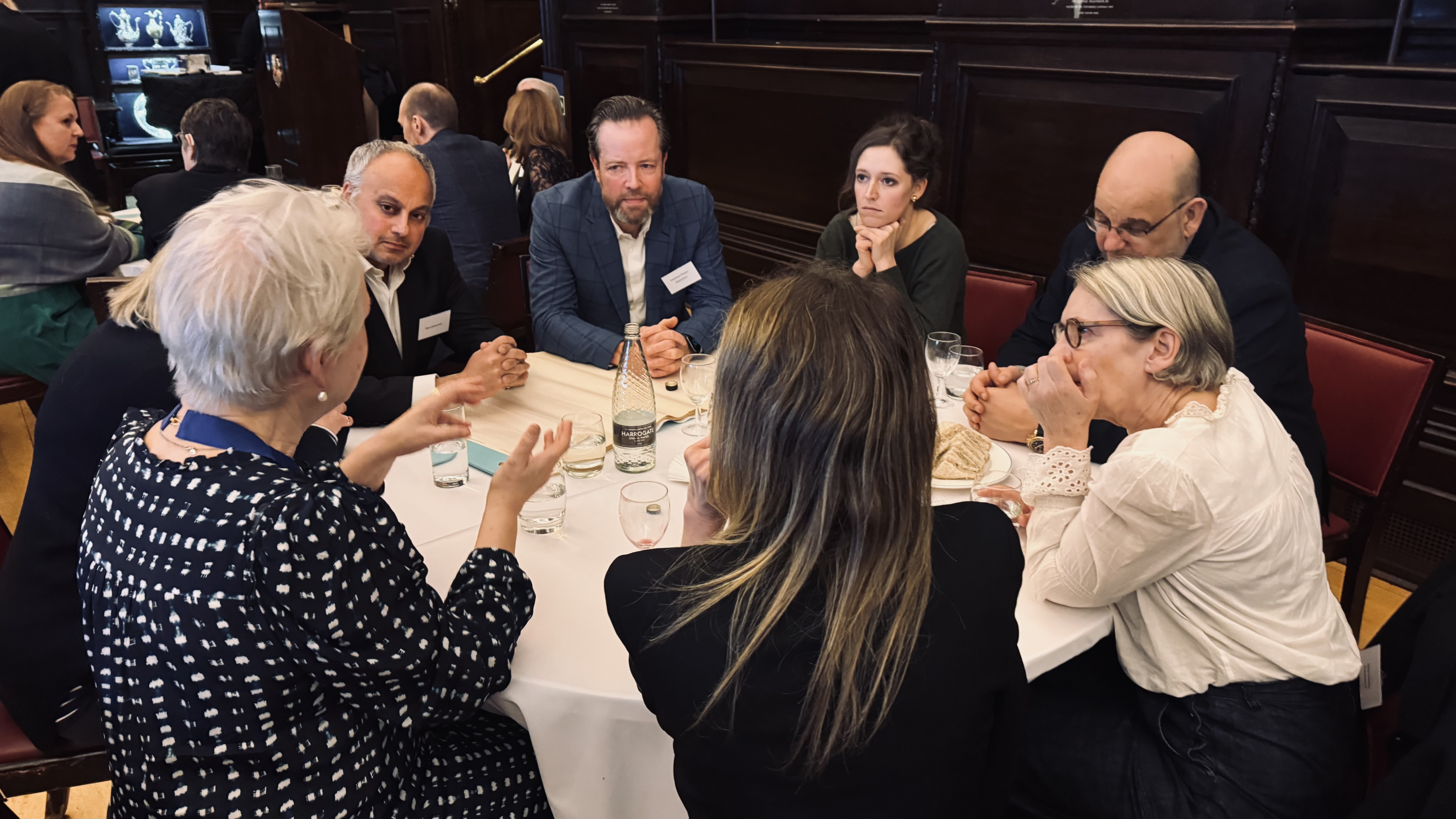
I spent an evening at Stationers' Hall in March debating one of the more loaded questions circling education, technology and culture right now: "Human creativity cannot flourish in a TikTok world." The Knowledge, Information and Human Potential group of Livery Companies put together a genuinely sharp panel: Professor Ron Barnett, Dame Alison Peacock, Dr Brooke Storer-Church, and Professor Philip Booth, and what unfolded over the next three hours was the kind of conversation you rarely get to have anymore. Messy and unresolved in the best way.
The motion was designed to provoke, and it did. But before anyone could argue for or against it, the room had to grapple with two slippery questions nobody had clean answers to: what do we mean by creativity, and what does it mean to flourish?
That's where it got interesting.
The evening's format pushed each table to reach a verdict by the end of the night, which meant you had to commit. And when the declarations came in, the room leaned toward the same conclusion I did: yes, creativity can flourish.
I'll tell you why I wasn't surprised by that outcome, and why I think the framing of the debate itself reveals something worth paying attention to.
The anxiety is real, but it's misdirected

There is a genuine fear underneath the TikTok question. It's not really about a social media app. It's about attention spans, about the way short-form content trains people to consume rather than create, about whether we're building a generation that reaches for a scroll instead of a sketchpad. Professor Barnett, whose work spans more than fifty years of thinking about higher education and human potential, gave weight to that concern. It deserves to be taken seriously.
But the fear conflates two different things: the conditions that make creativity harder, and the tools that make creativity more accessible. TikTok, AI, and short-form content- these can do both, depending on who is using them and why.
The same technology that someone uses to passively consume fifteen-second clips is the same technology a 19-year-old filmmaker uses to produce, distribute and build an audience for work that would have needed a production company and a broadcast deal twenty years ago. The platform did not decide how they used it. The person did.

What AI is actually doing to creative work
This is where my view is probably the least fashionable in a room full of academics and educators. I work in an AI-first agency. I have watched, over the past few years, what happens when you hand creative professionals AI tools that handle the repetitive, mechanical layer of their work. The briefs that used to take three hours now take forty minutes. The keyword research, the structural analysis, the first draft of a content framework; AI moves through those tasks at a pace no human can match. And what that frees up is not laziness.
The people I work with are producing more ambitious creative work now than they were two years ago, not less. They are thinking about strategy at a level that would have been impossible when they were buried in execution. The repetitive work was not secretly keeping them creative. It was eating their capacity for the deeper thinking that creativity actually requires.
Dame Alison Peacock brought a perspective rooted in Learning Without Limits -an approach to education that refuses to predetermine what any child is capable of. I find that framework genuinely compelling, and I think it applies here. The question is not whether AI limits creativity. The question is whether you approach AI with a ceiling or without one.
The definition problem
The debate kept circling back to what creativity is. Is it the output? The process? The intention behind it? If a musician uses AI to generate a chord progression and then builds something extraordinary on top of it, has she been creative? Most people in that room said yes. The ones who said no were, I think, protecting a definition of creativity that has always been contested.
Human beings have always used tools. The printing press did not kill writing. The camera did not end painting. The word processor did not flatten prose into uniform grey. New tools change the texture of creative work. They do not determine its depth.
What the room got right
The majority verdict matters less than the quality of the disagreement that produced it. What I took from the evening was not a settled answer, but a sharper version of the question. The risk to human creativity is not AI or TikTok. The risk is defaulting to consumption when the tools for creation have never been more powerful or more available.
If you have access to the tools and you still choose to scroll, that's a choice. AI hands you back time. What you do with it is yours.
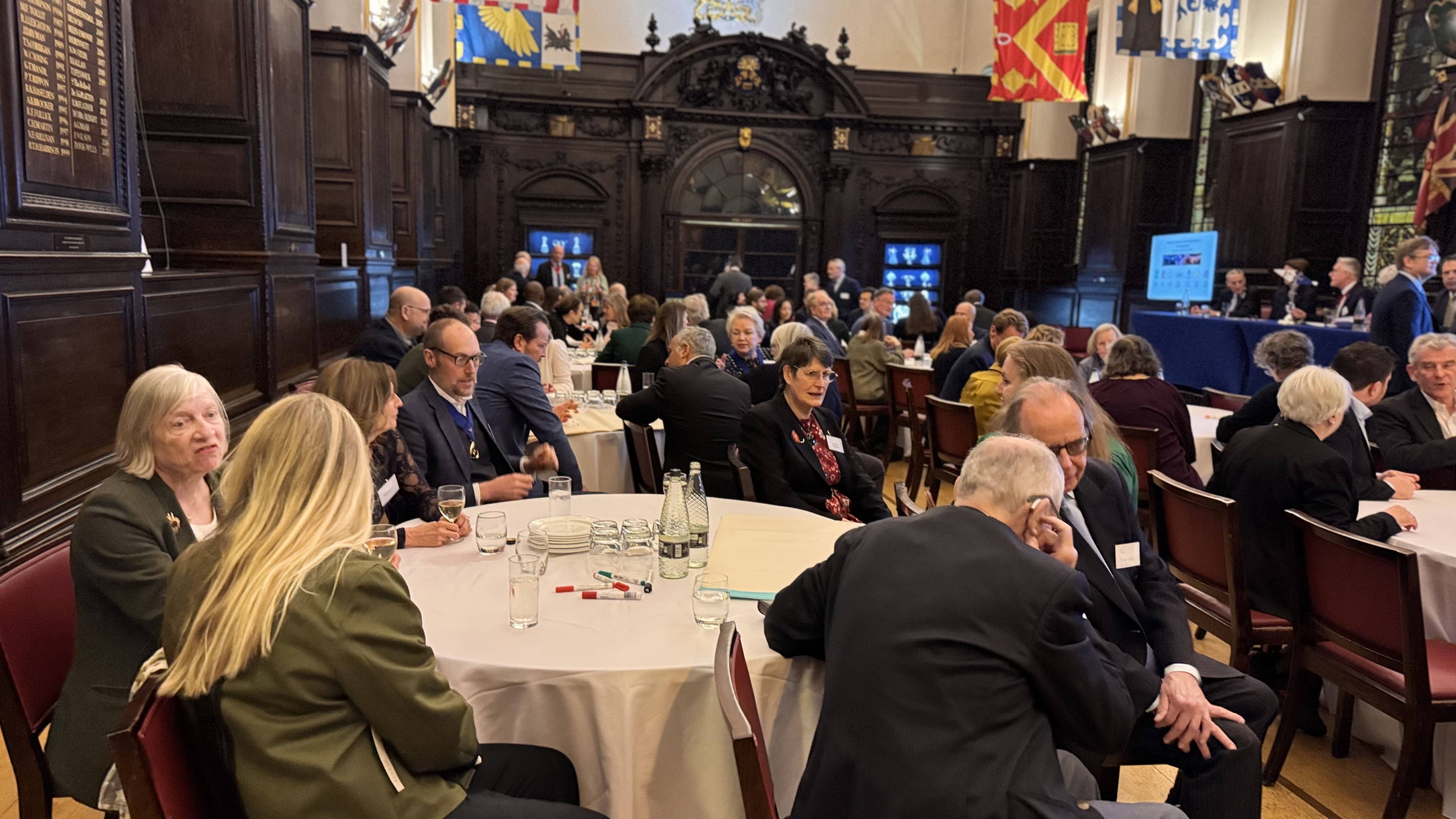
Thanks to The Stationers' Company and the KIHP group for a genuinely brilliant evening. The debate format, the speakers and the round-table format made this one of the more memorable events I've attended this year.

