20 May 2026
Implementation, not intention: a day at Guildhall
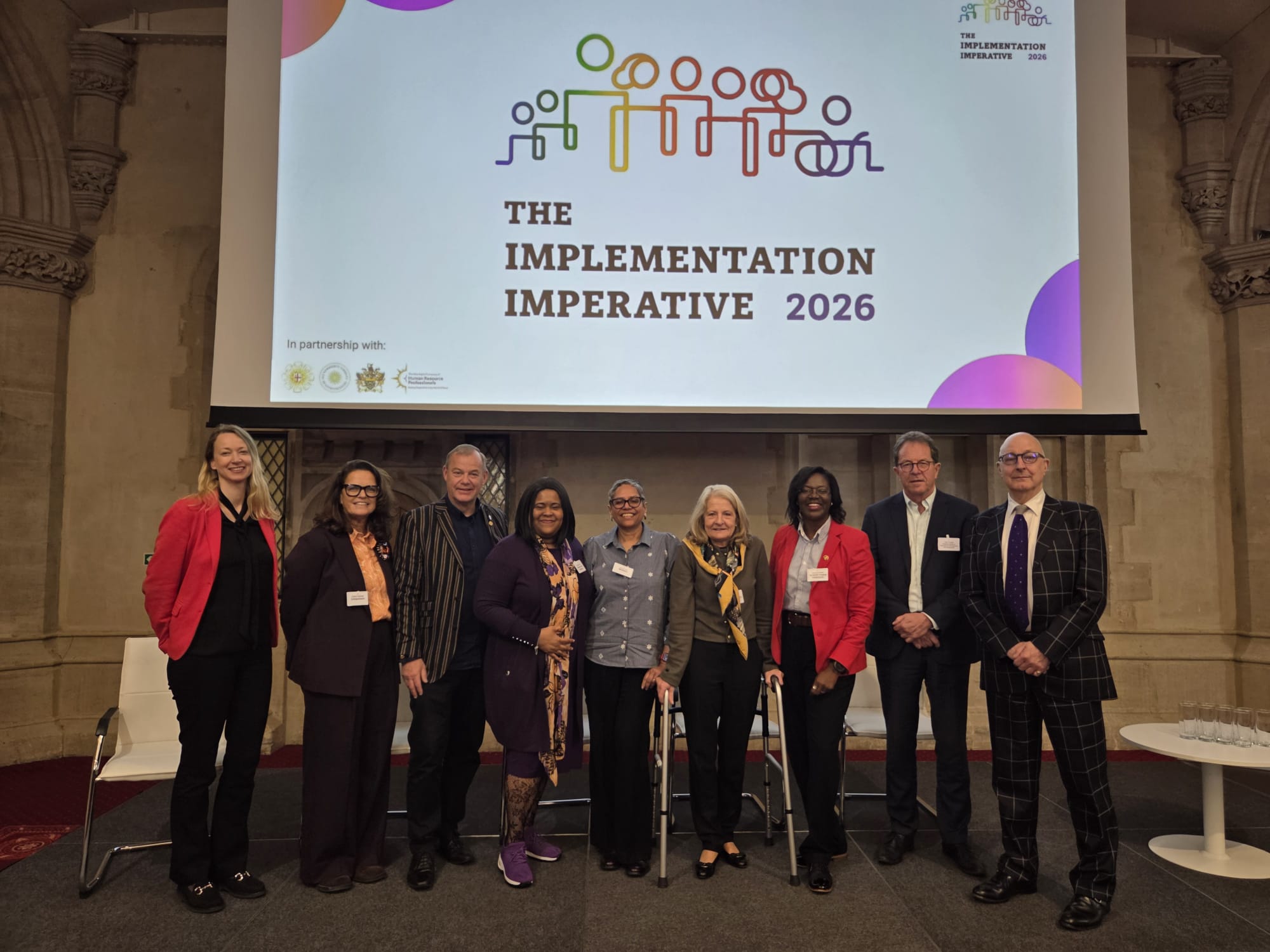
On 19 May 2026, the Worshipful Company of Entrepreneurs joined the Livery Committee, the Worshipful Company of HR Professionals and the Worshipful Company of Marketors to host The Implementation Imperative at Guildhall. The premise was simple. There has been a great deal of discussion about diversity, equity and inclusion. There has been rather less about doing it. The day was given over to the second part.
Julia Sibley MBE, Chair of the Livery Committee, welcomed an audience of City professionals and Livery representatives. What followed was less a run of speeches than a sustained argument: that good intentions, however sincere, are not the same as embedded practice, and that the gap between the two is where most organisations quietly fail.
The argument
Alderman Tim Hailes FKC JP opened. Senior Alderman Below the Chair, and, subject to election, the incoming Lord Mayor from November 2026, he spoke with some personal candour about what it means to be different in the Square Mile. The City, he acknowledged, has not always felt open to everyone. His case, though, was practical rather than aggrieved. Around 40% of the City's workforce was not born in the United Kingdom, and competitive advantage, in his words, comes down to people. Drawing talent from the widest possible pool is a matter of strategy, not charity. His most quoted line set the tone: implementation is where values cease to be a tick box.
Peter Cheese, CEO of the CIPD and Master of the Worshipful Company of HR Professionals, gave the wider picture, and was honest about an uncomfortable part of it. Roughly a third of HR leaders, he reported, have met resistance to the inclusion agenda over the past year, and some are softening the language simply to keep the work alive inside their organisations. He did not treat that as a reason to retreat. Inclusion touches brand, governance and organisational effectiveness, and the aim is to embed it so thoroughly that it becomes everyone's responsibility rather than the preserve of a specialist team. His challenge on data was the one worth keeping: numbers without narrative mislead. Organisations should be clear not only about what they measure, but about what they intend to do with it.
The evidence
Sandra Kerr CBE, Race Equality Director at Business in the Community, brought the figures. The Race at Work Charter now has 1,174 signatories representing more than seven million employees. The economic case is considerable: closing workforce disparities could be worth £37 billion a year to the UK economy, £17.4 billion of that to London. One finding, drawn from work with YouGov, deserves attention. People aged 18 to 24 are the least likely of any group to feel they can be themselves at work. Kerr's response was to focus on onboarding, and on building from the first day the psychological safety that lets new people offer ideas. She also proposed a change of language: away from EDI or DEI, terms that have become politically loaded, and towards "fairness and access to opportunity". The substance is unchanged. The accessibility improves.
From theory to practice
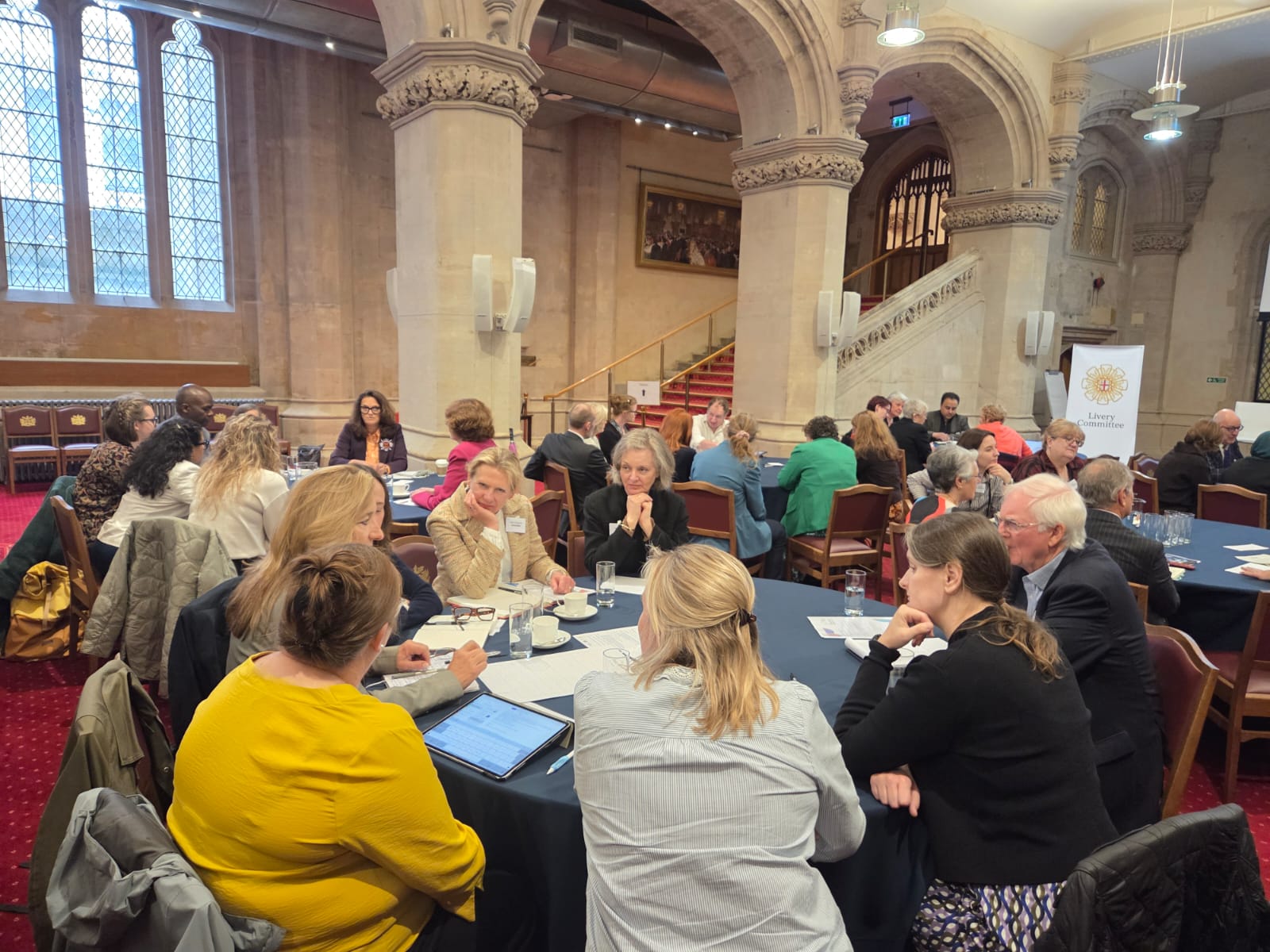
A workshop led by Barnaby Wynter asked two plain questions: what does good practice look like, and what does good look like beyond our own walls. One observation lingered. Mentorship, Wynter suggested, is the business term for socialising. Formal mentoring programmes make visible and deliberate the kind of informal sponsorship that advantaged groups have always had. Making it intentional is itself an act of inclusion.
The panel was hosted by Veronica Heaven FRSA, Junior Warden of the Worshipful Company of Entrepreneurs. She framed it not as a debate but as an honest exchange between people who care about the subject, with one aim: that everyone left with at least one thing they could do differently. She was joined by Mark Gettleson of the City of London Corporation, Sophie Hulm of Progress Together, Sandra Kerr, and Barnaby Wynter. The conversation ranged across belonging at scale, inclusion in supply chains, white allyship and social mobility. One of the sharper exchanges concerned the difference between elevating people from different backgrounds and merely showcasing them. Heaven also put the question several in the room were thinking: the Livery movement is sometimes called a boys' club, so what is to be done about it. The willingness to ask it plainly was part of the point.
-
Simon Fanshawe OBE, co-founder of Diversity by Design, closed with a framework. Strategy must serve the organisation, not the other way round. Leaders should define their own diversity gaps and opportunities in their own terms rather than reaching for a template. And they should treat disagreement as something to navigate well rather than avoid. Talk and learn, he said, not point and punish. The aim is not for everyone to hold identical views, but for people to work together productively across the ones they do not.
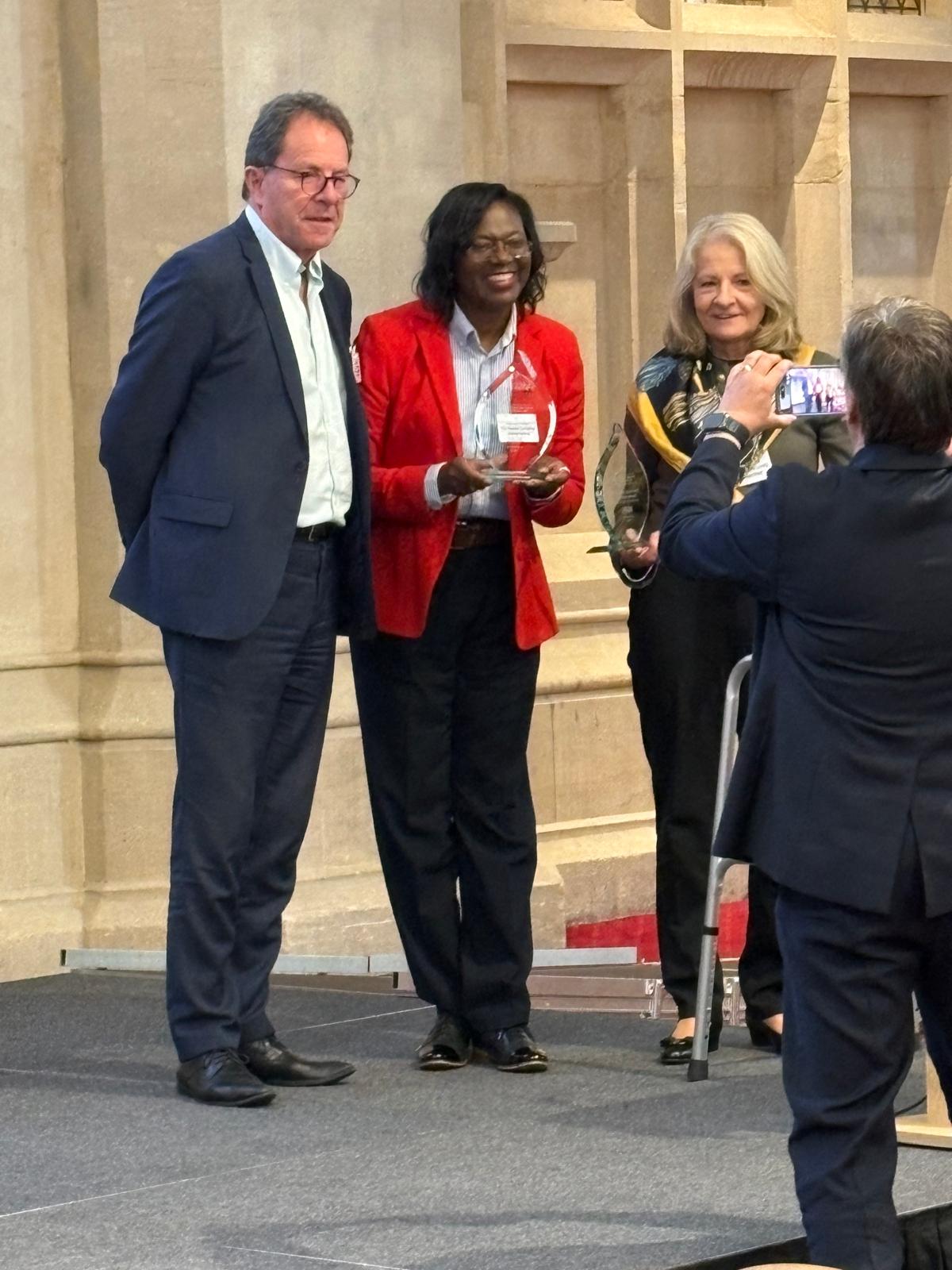
The day ended with something the room did not expect. The Diversity, Equity and Inclusion Award for London Livery Companies 2026, presented by the Worshipful Company of HR Professionals, was given to Veronica Heaven and Julia Sibley, for sustained work to promote inclusion and belonging across the City and its Livery Companies. Peter Cheese made the presentation. For a day built on the argument that recognition should follow genuine commitment, it was a fitting close.
The Company was glad to help host the day, and gladder still to see its Junior Warden recognised for the work behind it.

